Gurdwaras of Sultanpur Lodhi
These gurdwaras are the eight historic shrines kept on this site. Each holds a distinct memory of Jagat Guru Dhan Sri Guru Nanak Dev Ji, or of a later Guru tradition. The public paths are flat, matching the cards on the home page.
Read a little, then go for darshan. This page does not invent a ninth shrine, a phone number, or a clock. Where a point is tradition, it stays labelled as tradition.
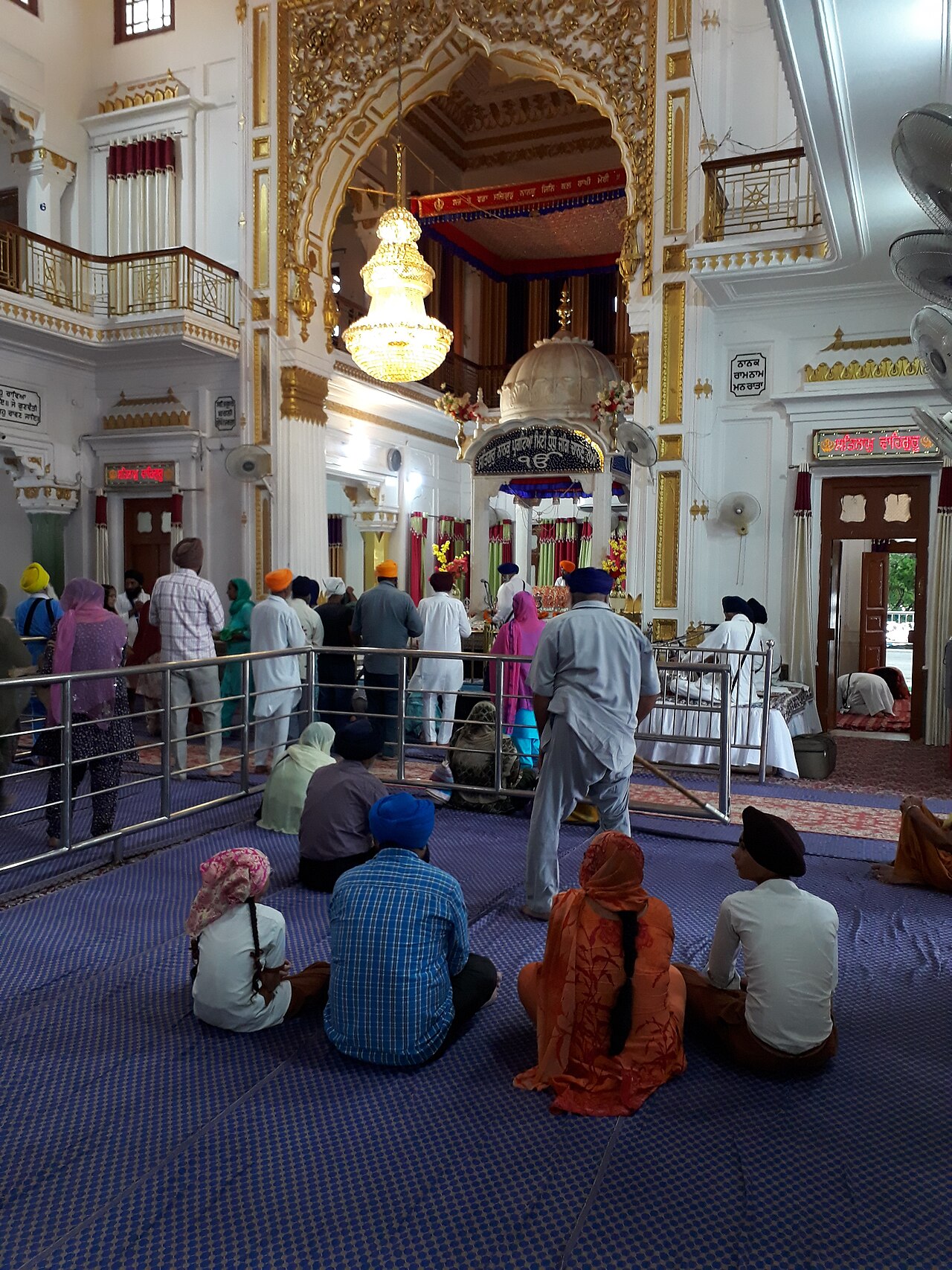
Who stewards these gurdwaras
Per the Encyclopaedia of Sikhism, seven historic gurdwaras, except the shrine of Satikarayog Bebe Nanaki Ji, are administered by the Shiromani Gurdwara Parbandhak Committee through a local committee. That is a note about shrine care, not a claim that this website is an SGPC office.
Gurdwara Satikarayog Bebe Nanaki Ji is under the Bebe Nanaki Istri Satsang Charitable Trust. The cornerstone date kept here is 13 November 1970. For the persona and the seva story, use the separate life page rather than this list.
Eight memories, one town
The gurdwaras on this page are one memory each. Only eight historic gurdwaras are named here, the same set as the home page cards. Gurdwara Sri Sehra Sahib is the later memory, about 1604, linked with Guru Arjan Dev Ji and the sehra of Guru Hargobind Sahib Ji. It is not the wedding place of Guru Nanak Dev Ji.
Gurdwara Sri Ber Sahib
This is the principal shrine of Sultanpur Lodhi. It remembers amrit-vela simran under the jujube by the Kali Bein. The cornerstone kept on this list is 25 February 1937, and the dedication is 26 January 1941. Open its own page before you treat those dates as the start of the sangat.
Gurdwara Sri Hatt Sahib
Hatt Sahib commemorates service in the modikhana, the provision store of Nawab Daulat Khan Lodhi. The memory is honest work, and the traditional Tera-Tera sakhi is linked with that store. This list only points to the shrine. The sakhi stays tradition, not a new document.
Gurdwara Sri Kothri Sahib
Kothri Sahib keeps the tradition of a false complaint and an audit of accounts, a remembrance of truth vindicated. The wording on the shrine page is soft: detention while accounts were checked, not modern prison language. Read that page before repeating the sakhi.
Gurdwara Sri Guru Ka Bagh
Guru Ka Bagh marks the householder years. Tradition places Baba Sri Chand Ji and Baba Lakhmi Das Ji in that family memory, with Mehal Mata Sulakhni Ji. This hub does not open contested detail. It only says the residence is one of the eight.
Sant Ghat and Antaryamta Sahib
Gurdwara Sri Sant Ghat Sahib keeps the Janamsakhi of reappearance from the Bein and the message Na ko Hindu, na Musalman. Gurdwara Sri Antaryamta Sahib keeps the Janamsakhi of a namaz invitation and of seeing the true state of the heart. Both are tradition, and both have their own pages.
Sehra Sahib and Bebe Nanaki Ji
Tradition holds that around 1604 Pancham Patshah Sri Guru Arjan Dev Ji halted at Sehra Sahib, with remembrance of the sehra of Chhevin Patshah Sri Guru Hargobind Sahib Ji. Again, that is not Guru Nanak Dev Ji’s wedding place. The eighth shrine honours Satikarayog Bebe Nanaki Ji, remembered as the first Gursikh, and it is Trust-managed.
Questions visitors bring
Visitors ask how many historic shrines this site counts. The answer is eight: Ber, Hatt, Kothri, Guru Ka Bagh, Sant Ghat, Antaryamta, Sehra, and Bebe Nanaki Ji. They ask who manages them. Seven are via the SGPC local committee, and Bebe Nanaki Ji is under its Trust.
They also ask how to reach the town. The railway station is Sultanpur Lodi, code SQR. Detail sits on the travel guide. This page does not invent train numbers. Questions about these gurdwaras should still be checked on each shrine page.
Where to read next
The life path is an eight-stage reading on the timeline. The stay and the message are on the history page. The sacred stream is on the Kali Bein page. The persona, not the shrine, is on the Bebe Nanaki Ji page.
Rail, road, and sarai-langar notes are on the travel guide. Choose which of the gurdwaras you will visit, then open that shrine. Home links only these eight historic names.
Leads, not a new survey
The stewardship note leans on the Encyclopaedia of Sikhism. This list is a town record of names and memories already kept on the shrine pages. It does not add a place, an hour, or a date of its own. Keep the gurdwaras names as the public face of the town.
This gurdwaras page is a town record.