History of Sultanpur Lodhi

From the Lodi dynasty to a sacred city of Sikh heritage — the story of Sultanpur Lodhi across the centuries.

Origins & Early History

Sultanpur Lodhi is historically associated with the Lodi dynasty, which ruled much of northern India during the 15th and early 16th centuries. The city takes its name partly from this dynasty. Located in the present-day Kapurthala district of Punjab, the settlement developed as an administrative and trading centre along the banks of the Kali Bein rivulet.

The region has been inhabited for many centuries and has witnessed the rule of various powers, including the Sultans of Delhi before the Lodi period, before eventually coming within the sphere of the Mughal Empire following the Battle of Panipat in 1526.

Note: Specific early dates and details about the pre-Sikh period are based on historical accounts that vary across sources. Information here reflects commonly cited historical references.

The Connection with Sahib Shri Guru Nanak Ji

The most significant chapter in Sultanpur Lodhi’s history is its connection with Sahib Shri Guru Nanak Ji (1469–1539), the founder of the Sikh faith. According to widely recorded historical accounts, Guru Sahib Ji came to Sultanpur Lodhi at the invitation of his brother-in-law Jai Ram and served as a manager of the Nawab Daulat Khan Lodi’s grain store (Modikhana) for a considerable period — traditionally associated with a time of around fourteen years.

It is during this period that Guru Sahib Ji is believed to have performed the famous miracle at the Kali Bein rivulet — bathing in its waters and disappearing for three days, after which he returned with the Mool Mantar: “Ik Onkar Satnam Karta Purakh…” — the foundational declaration of the Sikh faith. He also continued his tradition of honest service, feeding the poor through community meals that are widely considered the forerunner of the Langar tradition.

After this period in Sultanpur Lodhi, Guru Sahib Ji began his great Udasis — extensive journeys across South Asia, the Middle East, and beyond — spreading the message of equality, compassion, and devotion to the One Creator.

These accounts are drawn from widely cited Sikh historical sources and traditions. Details about exact duration and events are based on traditional accounts that may vary across sources.

Sultanpur Lodhi in the Sikh Period

Following Guru Nanak Dev Ji’s time in the city, Sultanpur Lodhi gradually developed as a place of Sikh pilgrimage. The Gurudwaras built at the sacred spots associated with Guru Sahib Ji’s life here became centres of devotion. Over the centuries, the city came under Mughal governance, and later within the sphere of the Sikh Confederacy before the rise of the Sikh Empire under Maharaja Ranjit Singh.

The Kapurthala State, which later governed this region, was known for its patronage of arts and culture. After Indian independence in 1947, Sultanpur Lodhi became part of the Indian state of Punjab and today falls within Kapurthala District.

Modern Sultanpur Lodhi

In recent decades, Sultanpur Lodhi has grown significantly as a pilgrimage city. A major development was the remarkable restoration of the Kali Bein rivulet in the early 2000s, led by Baba Balbir Singh Seechewal and thousands of community volunteers. The restoration cleaned and revived the once-polluted rivulet and became an internationally recognized example of faith-driven environmental action.

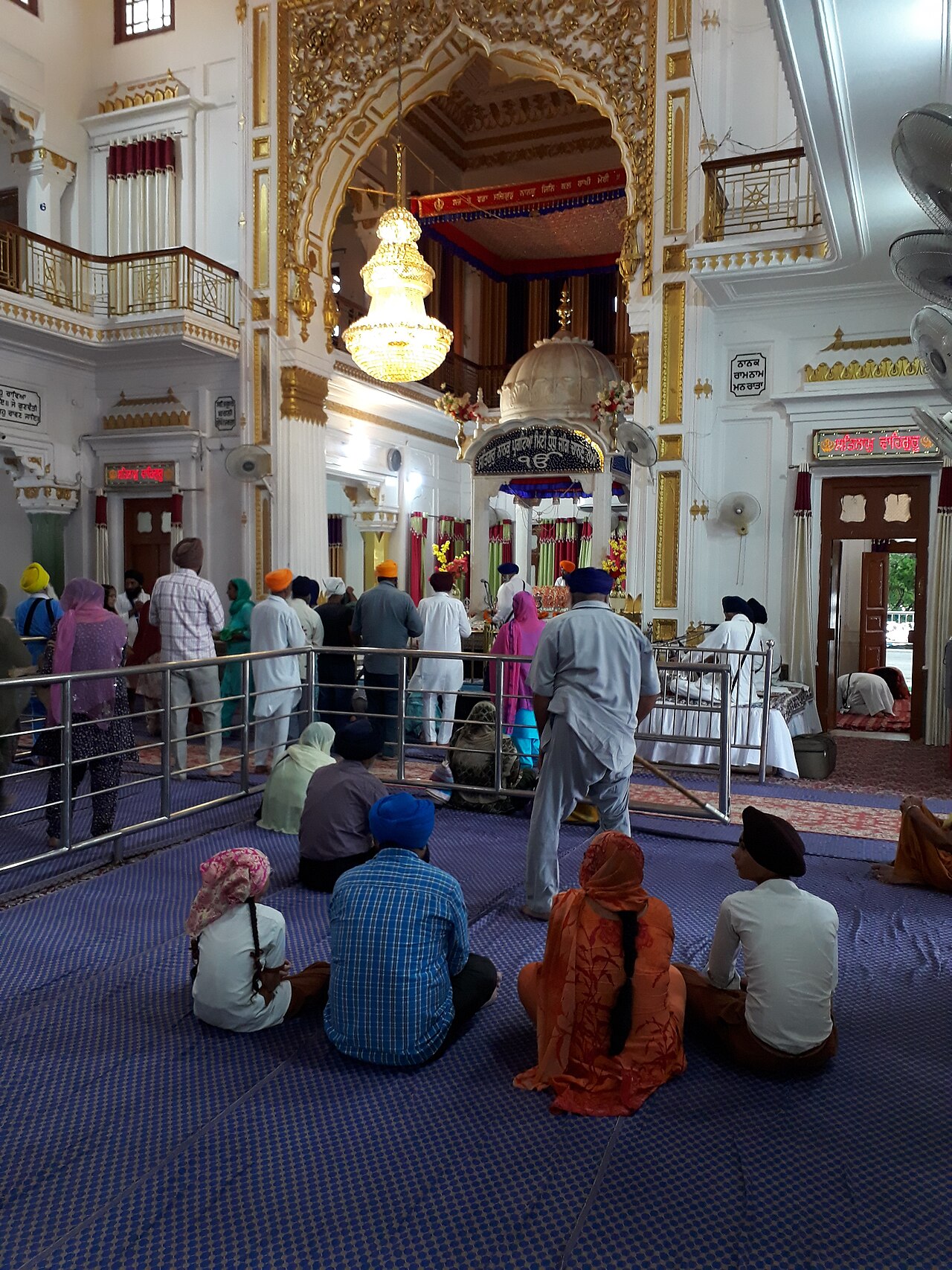
The Gurudwaras of Sultanpur Lodhi, particularly Gurudwara Sri Ber Sahib, continue to receive pilgrims from Punjab, the rest of India, and from Sikh communities across the world — from the UK, Canada, the United States, Australia, and beyond. The city is especially vibrant during the Gurpurab of Guru Nanak Dev Ji, celebrated across the Sikh world with great reverence.

A note on this content: This website has been created as an independent informational guide to Sultanpur Lodhi, with the help of research, publicly available information, local traditions, and AI-assisted content preparation. We have made sincere efforts to keep information respectful, useful, and accurate. Historical and religious information may sometimes vary across sources. If you notice any error or would like to suggest an improvement, please contact us.